
Foundational Truth Isn’t Born in Comfort. It Is Forged in Necessity.
Long before Vitalogy became a system, it began as a way to survive, understand, and make sense of life.
Our founder’s path of self-exploration started in a home shaped by his parents’ physical and mental illnesses. Childhood offered few alternative perspectives, so that environment became the first lens through which he understood the world — and himself.
There were hardships, sacrifices, limitations, and elephants in the room — but also lessons and opportunities. What shaped him wasn’t entirely “good” or “bad.” It gave him both assets and liabilities.
For years, much of Will’s energy went into reliving the past, running from it, or trying to escape its influence. The earliest roots of VitalMind and VitalBody came from something deeply practical: Understanding his own experience, creating stability, and finding a way to make order out of chaos.
Over time, the question changed from “How do I get away from this?” to “What can I learn from it?” Will stopped defining himself by illness and circumstance and began trusting the curiosity, intuition, and intelligence that had been there all along.
Vitalogy didn’t arrive as a finished idea. It was built over decades of questioning assumptions, noticing patterns, testing what worked, and keeping what held up for people in real life.
40 Years of Listening to People and Their Bodies.
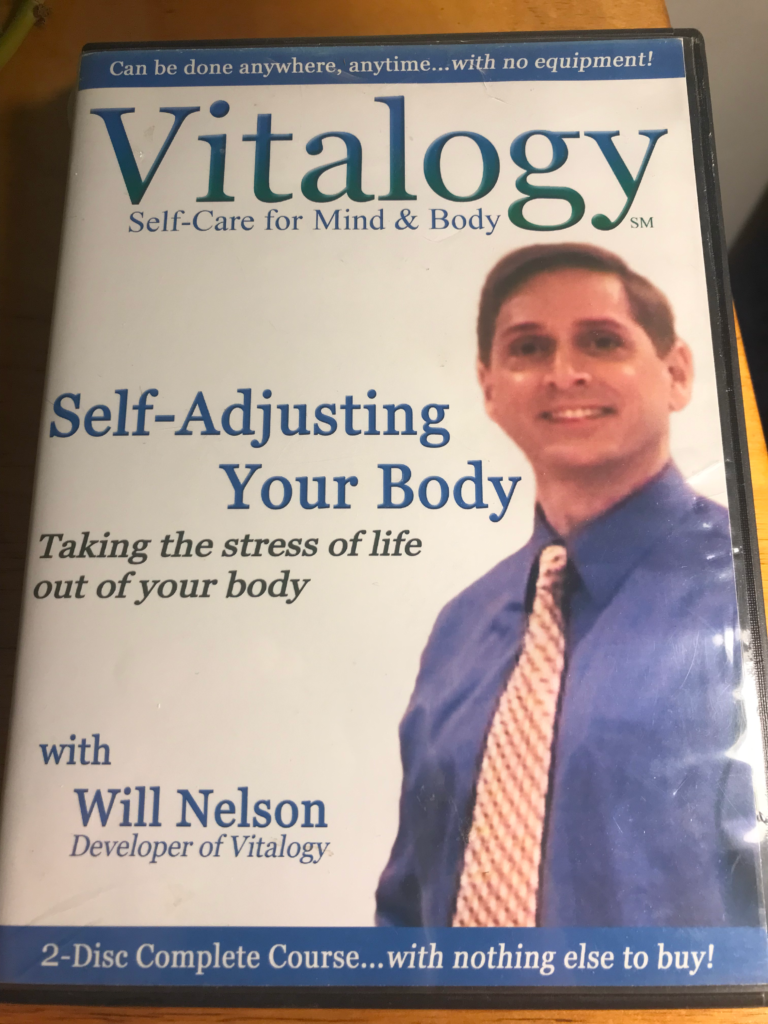
VitalBody DVD circa 2002
What people say tells you part of their story. Their bodies can reveal another.
Will’s work began long before the modern wellness industry existed, with the publication of The Real Truth About Health in 1987.
Over four decades and more than 50,000 hours of hands-on bodywork therapy and strategic life architecture, he spent thousands of sessions doing something deceptively simple: listening to what people said while paying close attention to what their bodies were saying, too.
People talked about their stress, relationships, ambitions, fears, habits, and histories. At the same time, their bodies revealed where they held tension, how they moved, where they compensated, and how years of living were physically showing up.
The narrative in the mind and the armor in the body are never separate realities. Ignore one, and you misdiagnose both.
Will worked with extraordinarily capable people, people overcoming tremendous hardship, and nearly every circumstance in between. Yet the same contradiction kept appearing: People with enormous potential were struggling to quiet the noise in their minds and bodies long enough to create success on their own terms.
So, he kept asking questions. He took notes and observed. He compared what people said, felt, and physically expressed across cultures, personalities, belief systems, and life histories.
And beneath all those differences, the same human patterns kept showing up.
People Rarely Fail From Lack of Effort. They Fail From Broken Systems.
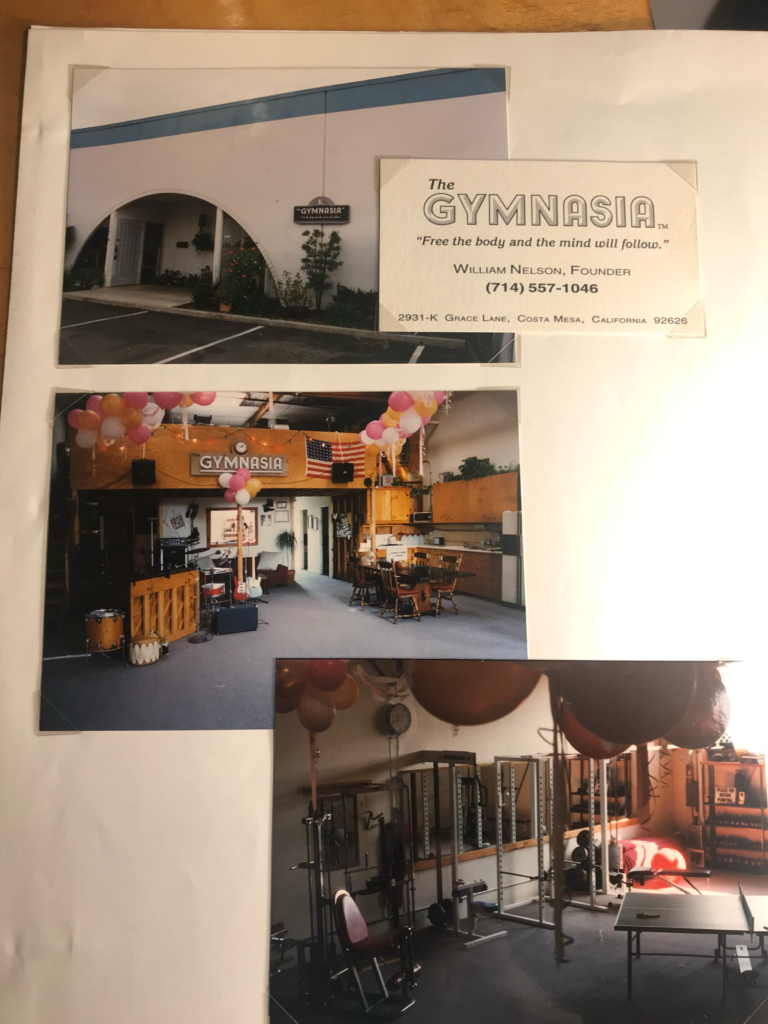
Will’s Gymnasia (1993-2000)
When relentless effort and willpower hits a wall, blaming yourself changes nothing.
After decades of listening to people, watching how they moved, and seeing how stress, habits, environment, and expectations showed up in real life, one truth kept repeating:
People rarely fail because they lack dedication. They fail because their underlying model for living actively works against them.
An early participant in the human potential movement, Will’s hands-on and clinical education includes becoming a Licensed Massage Therapist, Certified Exercise Physiologist, and Psychology graduate. He extensively studied Non Violent Communication (NVC), permanently sustainable agriculture (Permaculture), and the creative process.
At various times, he maintained a private practice in five different states, and two other countries. That breadth gave him a rare view of how people think, adapt, compensate, and eventually wear down under pressure.
When your daily schedule constantly pushes out your highest priorities, fragments your attention, or when your physical body can’t support your ambitions and vision, “try harder” is not a strategy.
It usually reflects more pressure on the same broken system. Vitalogy grew from separating what sounds good in theory from what actually holds up in real life.
What remained demonstrates a more useful process: observe the pattern, measure the problem, redesign the system, manage the outcome.
Because once you see what repeatedly works against you, you can stop blaming yourself and start changing the way your life operates.
“Compassionate Success:” Harmonize High Performance and
Personal Well-Being. Build A Great Life.
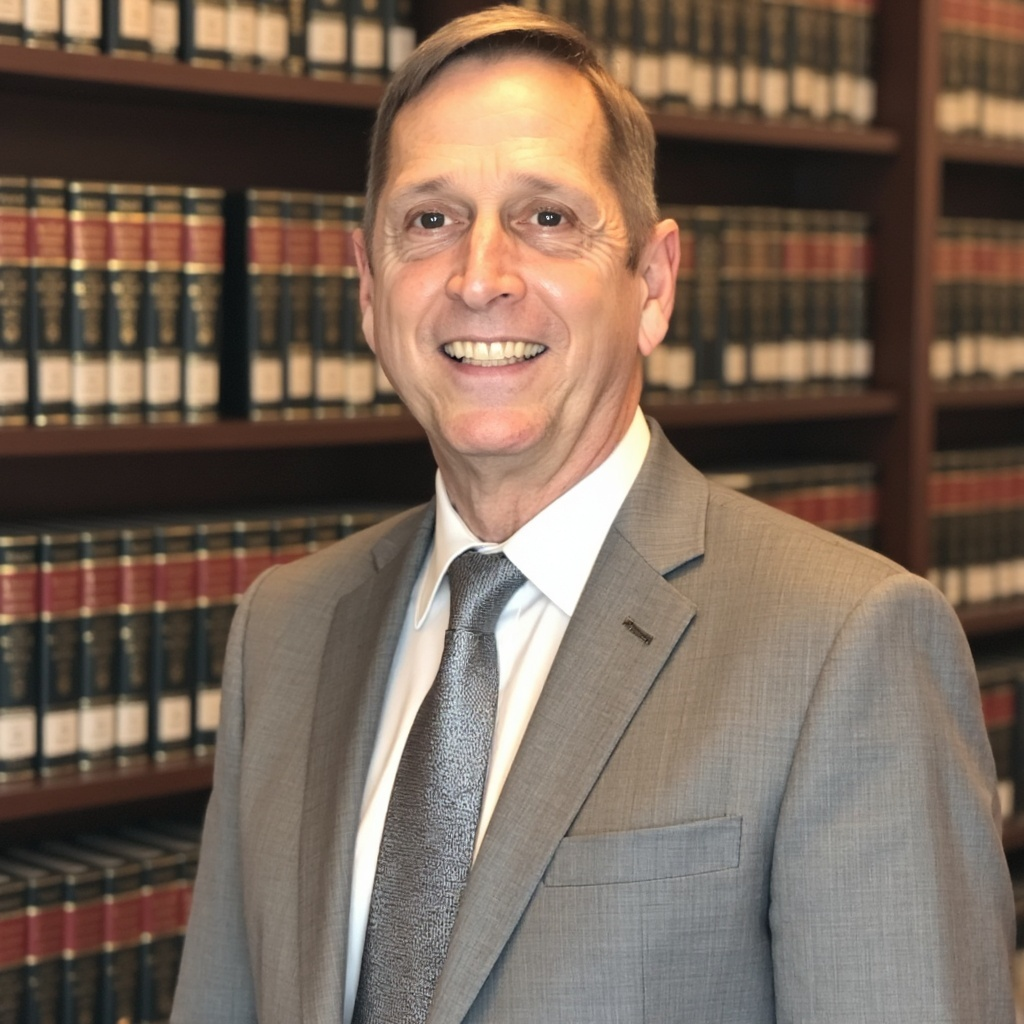
High performance and intentional living should continuously
nourish your mind and body, expanding your capacity for everything
you build.
Vitalogy calls this “compassionate success”: pursuing meaningful goals through a balanced operational model that elevates your well-being alongside your achievement.
Your mind and body are part of the same life.
If your time is in chaos, your priorities get crowded out. If your body is depleted, stiff, or running on fumes, clear thinking and consistent performance become harder to sustain.
Will’s work helps people see the patterns already shaping their lives, keep what is working, and change what is not.
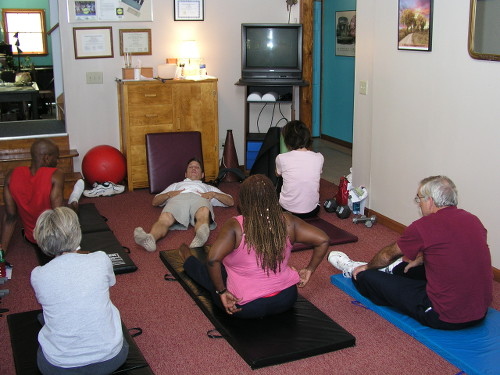
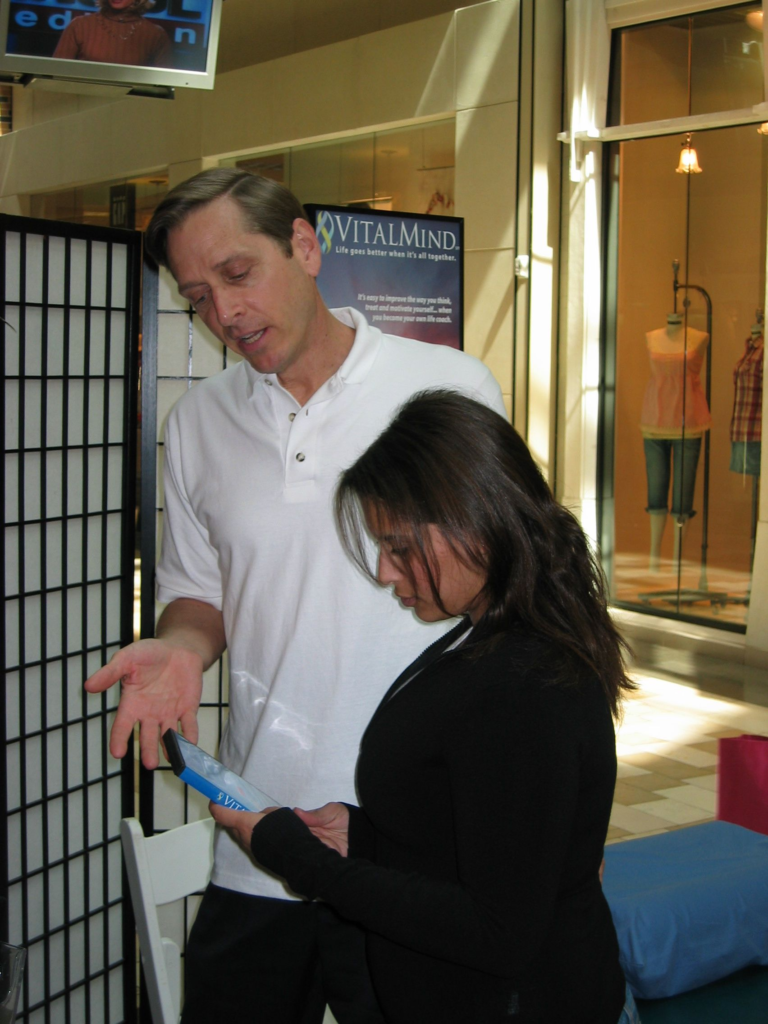
Will and clients practicing VitalBody.
The goal is not to make you dependent on another expert. It is applied self-reliance — giving you practical tools to better manage your own time, energy, decisions, and direction with more clarity, resilience, and control.
Built for Immediate Execution and Lasting Self-Reliance.
A lifetime of observation, distilled into tools you can use for the rest of yours.

Vitalogy takes decades of hands-on experience and turns it into practical frameworks you can learn, use, and eventually make your own.
You don’t need to reorganize your entire life overnight. Start where the friction is greatest.
If your time and priorities feel out of control, start with VitalMind and your 168 hours. If your body is limiting how you feel and move, start with VitalBody.
See what isn’t working. Learn what to do about it. Build the tools to manage it yourself.
The goal is simple: less dependence, more self-mastery, and a mind and body capable of supporting the life you want for decades to come.